

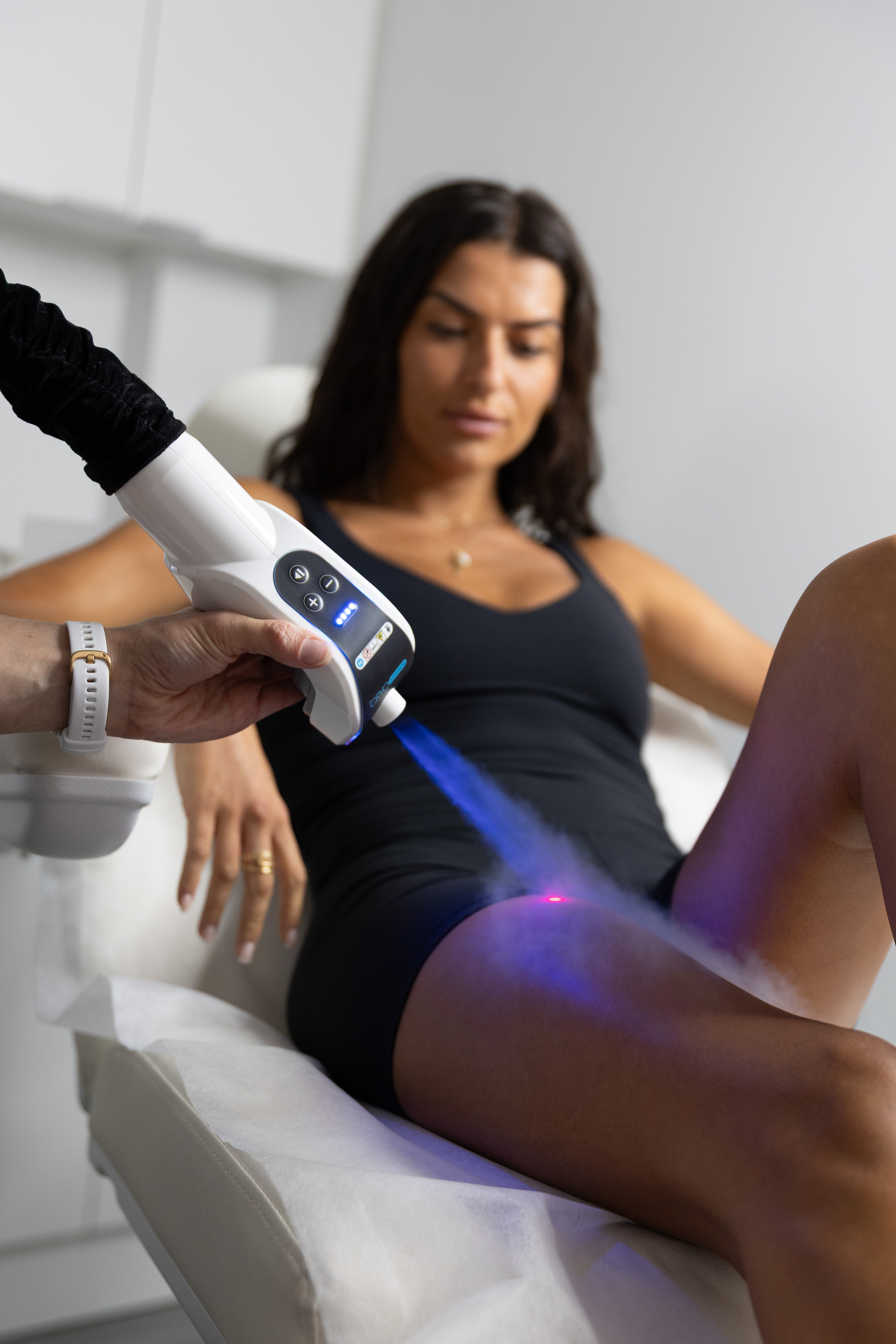
Localised cryotherapy is gaining popularity among athletes and sports enthusiasts. This treatment targets specific body areas with cold temperatures to aid recovery.
Athletes often use it to reduce pain and inflammation from sports injuries. The process involves applying ice packs, cold compresses or using cryotherapy machines.
Localised cryotherapy can be more effective than whole-body treatments by focusing on injury sites. It helps decrease muscle soreness and improve joint function.
The treatment is non-invasive and requires no downtime, allowing athletes to return to training quickly. It is also considered safe when performed correctly.
Understanding the benefits and process of localised cryotherapy can enhance recovery and performance. This article explores how it can be integrated into sports injury management.
Localised cryotherapy is a focused cold treatment used for injury recovery. It involves applying low temperatures to specific injury sites. This targeted approach helps reduce pain and inflammation effectively.
The treatment is popular among athletes for its precision. Unlike whole-body cryotherapy, it offers immediate relief to the injured area. Athletes often prefer it for its ability to speed up recovery.
There are various methods used to apply localised cryotherapy. These include:
Each method has its benefits and the choice depends on the injury type and severity.
This cryotherapy technique helps decrease muscle soreness and joint pain. By targeting specific areas, it provides faster results. It is particularly effective for acute injuries where quick recovery is essential. Understanding these key elements of localised cryotherapy can help tailor treatments to individual athlete needs.
Localised cryotherapy works by cooling tissues to reduce metabolic activity. This results in decreased pain and swelling. By lowering skin temperature, it also numbs nerve endings, providing instant pain relief.
The process involves the use of cold devices or applications. When applied, they trigger a series of bodily responses that help speed up recovery. Here's how it typically proceeds:
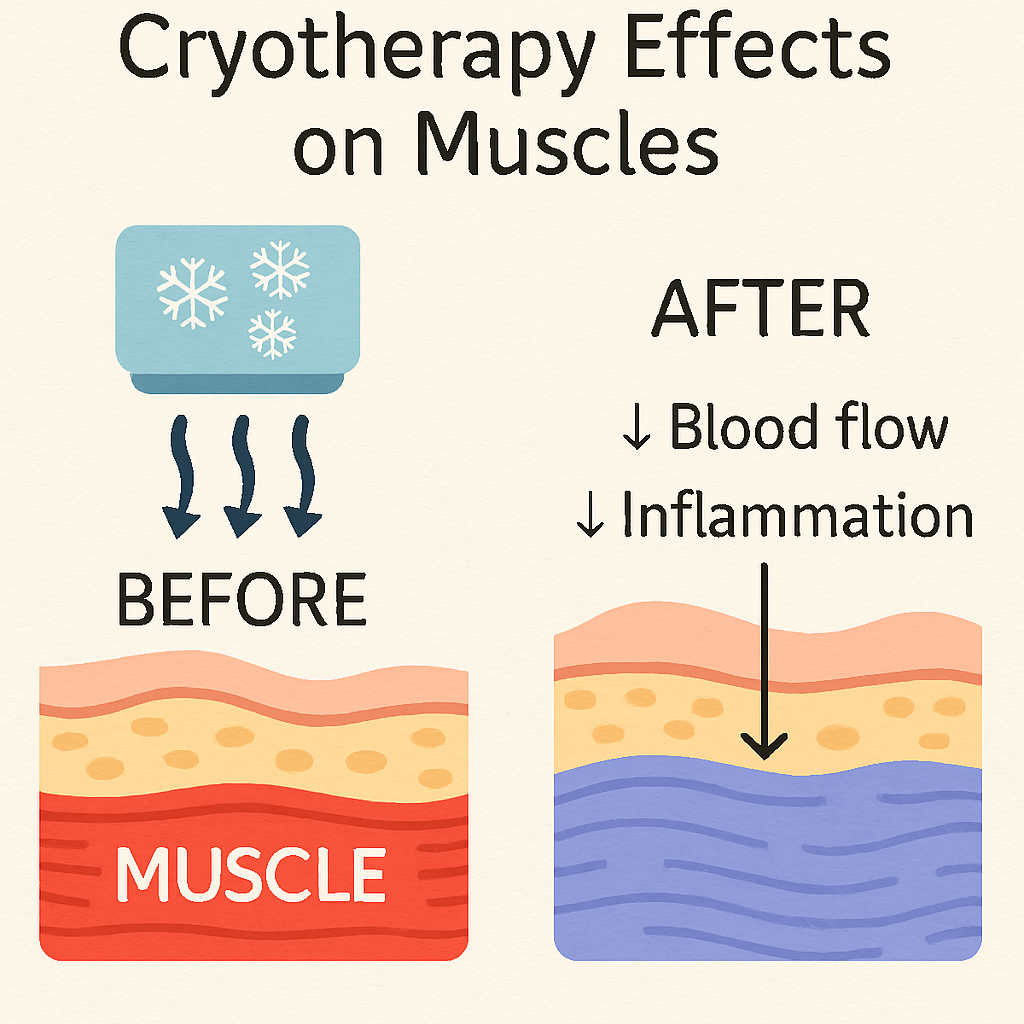
These physiological changes allow damaged tissues to recover faster. The cold application acts as a catalyst, accelerating natural healing processes. Athletes benefit from quicker bounce-back times after injuries. This focused treatment aids in managing both acute and chronic conditions effectively. Thus, localised cryotherapy is a valuable tool in sports rehabilitation.
Localised cryotherapy offers multiple benefits for sports injuries. It significantly reduces pain, making recovery faster and less uncomfortable. Athletes can quickly return to their peak performance.
A major advantage is the reduction of inflammation. This allows for improved joint mobility. Enhanced mobility leads to better performance and a lower risk of re-injury.
Athletes often notice a decrease in muscle soreness after sessions. The treatment helps relax tight muscles and improve overall comfort. This can be crucial for maintaining a rigorous training schedule.
Key benefits include:
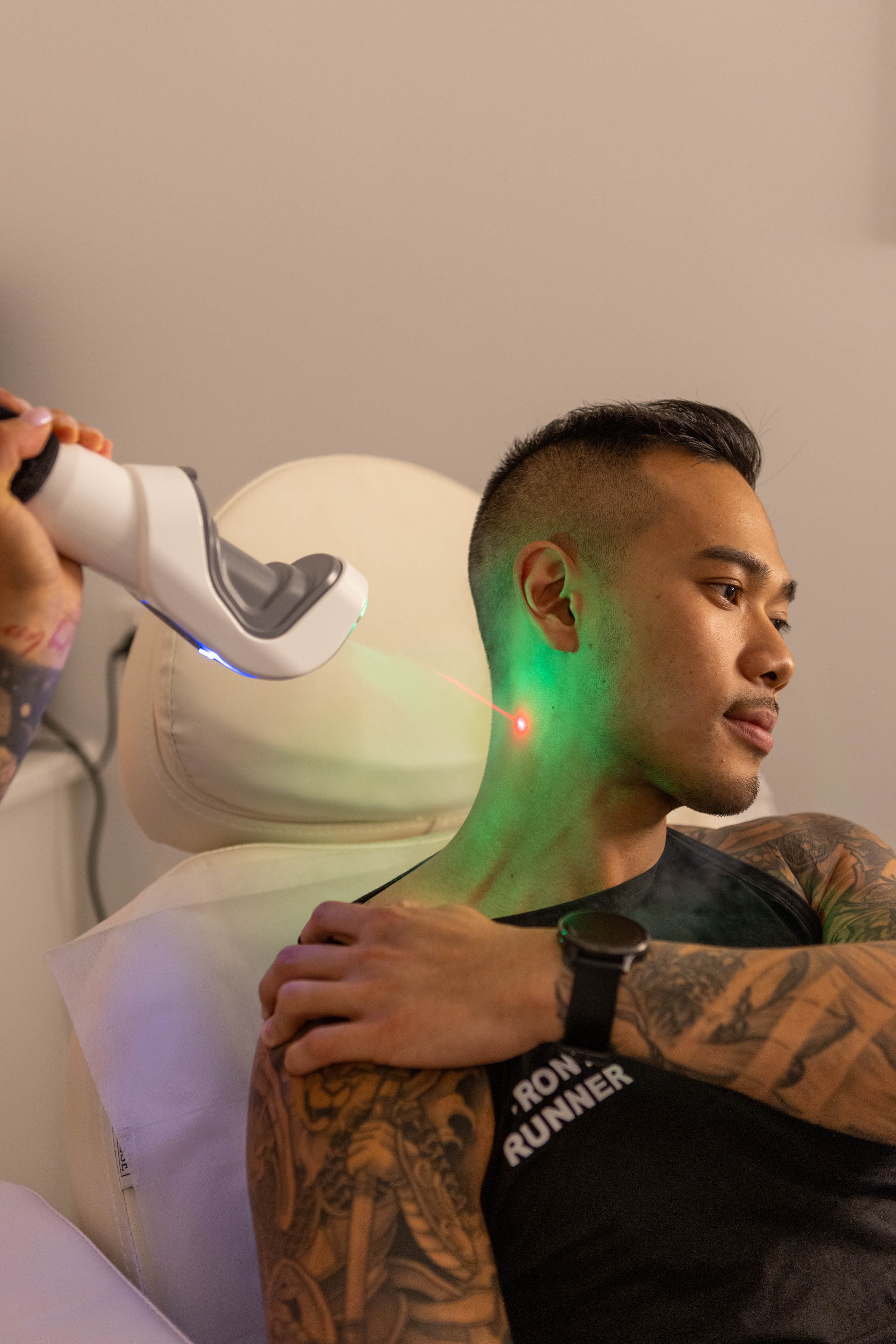
Additionally, cryotherapy is non-invasive and doesn't require downtime. Athletes can resume their activities almost immediately. The treatment is also adaptable, serving both acute injuries and chronic conditions. Furthermore, it supports long-term injury prevention by strengthening tissues. The benefits of localised cryotherapy extend beyond immediate relief, offering a comprehensive approach to athletic health.
Localised cryotherapy is highly effective for various sports injuries. It provides targeted relief that is crucial for athletes and active individuals. The treatment is versatile and adapts to different injury needs.
Commonly treated injuries include sprains and strains. These are frequent among athletes and often require quick healing. Cryotherapy can reduce swelling and ease the recovery process.
Tendonitis is another condition where cryotherapy proves helpful. By alleviating pain and inflammation, it allows athletes to maintain training. This targeted approach ensures effective treatment without disrupting performance.
Key injuries treated include:
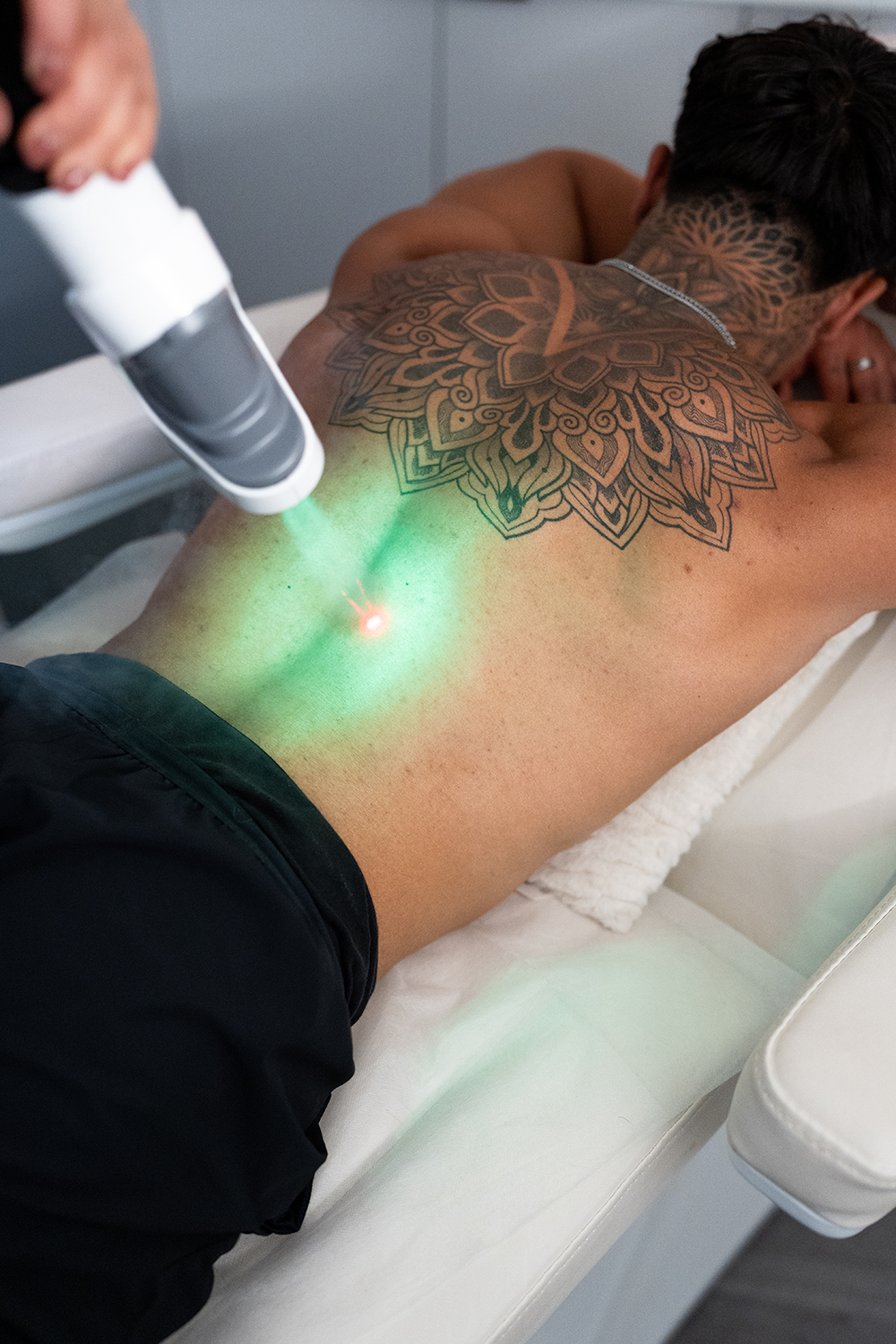
The adaptability of localised cryotherapy makes it a valuable tool. Whether dealing with acute injuries or managing chronic pain, its role in sports injury recovery is significant. The technique’s precision ensures focused healing, aiding athletes in maintaining peak condition.
✓ Faster Pre-Cooling Baseline: In cold ambient conditions, tissue is already somewhat cooled, meaning localised cryotherapy reaches therapeutic temperatures more quickly and with less application time needed.
✓ Contrast Therapy Opportunity: Winter environments make contrast therapy (alternating cold/warm) easier to manage, which can enhance circulation and recovery when used strategically post-injury.
✓ Cold-Weather Injury Patterns: Winter sports and cold-weather training produce specific injury types - hamstring tears, ankle sprains on frozen ground, muscle pulls from inadequate warm-ups - that respond particularly well to localised cryotherapy due to their superficial or focal nature.
✓ Masking Overuse Risks: One caution: in winter, athletes may already feel generally cold, potentially underestimating injury severity. Cryotherapy should complement, not replace, proper assessment.
Understanding the cryotherapy process helps in preparing mentally and physically. The sessions are quick, yet provide profound benefits. Typically, they last between 10 to 20 minutes, depending on the injury.
Before starting, the area to be treated is assessed by a professional. This assessment ensures the correct application of cold temperatures. Proper application prevents skin damage and enhances effectiveness.
During the session, specific techniques are used. These might include ice packs, cold compresses or specialised cryotherapy machines.
Here's what to expect:
It's essential to follow expert instructions post-session. This ensures that the benefits of the treatment are maximised. Proper aftercare accelerates healing and supports athletic recovery.
Localised cryotherapy is generally safe but like any treatment, it requires caution. It's crucial to follow recommended guidelines to prevent potential risks. Prolonged exposure to cold can lead to skin damage or frostbite.
Individuals with certain conditions should approach cryotherapy with care. Consulting a healthcare professional is advised if you have circulatory issues or skin sensitivities. This consultation ensures suitability and safety.
Following best practices increases the efficacy and safety of the treatment. Here are some key tips:
Practicing these measures can enhance recovery while minimising risks. Additionally, working with trained professionals ensures the safest experience possible.
Incorporating localised cryotherapy into an athlete's regimen can elevate recovery outcomes. This treatment not only addresses injuries but also maintains overall physical fitness and readiness. It is effective both as a standalone and as a complementary therapy.
To seamlessly integrate localised cryotherapy into recovery routines, consider these strategies:
These practices enhance both short-term recovery and long-term resilience. By adopting a strategic approach, athletes can benefit from the comprehensive advantages of cryotherapy, which may include faster recovery times and improved performance.
Localised cryotherapy offers numerous advantages for athletes dealing with sports injuries. Its ability to reduce pain and inflammation accelerates recovery and enhances performance.
Incorporating localised cryotherapy into training routines can be transformative. By using this safe and effective treatment, athletes can enjoy quicker recovery, decreased injury risk and improved overall well-being.
Learn more about our Localised Cryotherapy services here… https://breathewrl.com.au/services/localised-cryotherapy


